

Texas homeowners insurance premiums have risen roughly 46% over two years according to Policygenius data from 2022-2023. The average Houston household now pays approximately $6,600 annually per the Rice Kinder Institute 2025 State of Housing report. Most of that increase traces to catastrophic weather claims, reinsurance cost increases, and water damage. Water damage is the single most common and preventable claim category.
One lever homeowners can pull back: a carrier-recognized smart water shutoff device installed under a licensed plumber earns a 10-15% credit on the water-damage portion of the policy, returning roughly $300-$600 per year. The device prevents the claim that drives the premium up in the first place, and the certificate documenting the install is what triggers the discount.
This is not a hypothetical. It is published carrier policy across State Farm, USAA, Allstate, Farmers, Travelers, and others. Below is the breakdown of what is driving the increases, why water damage is the category that matters most, and exactly how the credit works.
What Is Driving Texas Premium Increases
Three forces are compounding to push Texas homeowners insurance to levels that were unthinkable five years ago. None of them are temporary. All three feed into each other, and the result is a structural premium increase that is not going to reverse on its own.
Catastrophic weather claims
Texas leads the nation in weather-related insured losses. Hurricanes, hail storms, and hard freeze events generate billions in annual claims. Hurricane Harvey alone produced over $30 billion in insured losses. Winter Storm Uri in 2021 generated an estimated $18 billion. The 2023 and 2024 hail seasons across the DFW and Houston metros added several billion more. Each of these events hits the carrier loss ratios, and those losses get distributed across every policyholder in the state through baseline rate adjustments. Texas is not a state where catastrophic weather is an outlier. It is the pattern.
Reinsurance cost increases
Reinsurance is the insurance that insurance companies buy to protect themselves against catastrophic loss. Global reinsurance costs have risen 30-50% since 2020, driven by climate-related losses worldwide, higher interest rates, and reduced capacity from major reinsurers exiting high-risk markets. Texas carriers pass that cost through directly. When your carrier's reinsurance bill goes up 40%, your premium absorbs a proportional share. This is not a discretionary markup. It is a cost pass-through that carriers are required to fund to maintain solvency ratios.
Water damage claims
Water damage claims are the most frequent homeowner claim category in Texas. More common than wind or hail by volume. Each filed water claim costs the industry an average of $12,000-$15,000 in payouts. The aggregate volume of water claims in Texas (tens of thousands per year) creates a loss pool that carriers must price into every policy. A burst supply line in Sugar Land raises the baseline rate for a policyholder in Katy. That is how pooled risk works. And unlike hurricanes or hail, water damage is the one category where the individual homeowner has a direct lever to pull.
Water Damage: The Quiet Premium Driver
Water damage is not dramatic like a hurricane. It does not make the news. A burst supply line at 2 AM while the homeowner is asleep. A failed water heater in the garage while the family is at work. A slow leak behind a bathroom wall that goes undetected for weeks. None of these events generate news coverage or FEMA declarations. But collectively, they are the single most common category of homeowner insurance claim in Texas by frequency.
Each one of those incidents generates a claim that goes into the loss ratio that determines next year's premium for every policyholder in the pool. The homeowner who files the claim sees a direct premium increase, often 20-40% at next renewal, and potential non-renewal. But every other policyholder in the same carrier pool also absorbs the aggregate loss through baseline rate increases. Your neighbor's burst pipe costs you money even if your home is dry.
This is why carriers are willing to pay you not to file the claim. The math is simple from their perspective: a $400 annual credit is far cheaper than a $13,000 average claim payout. Every device that prevents a claim reduces the aggregate loss pool. That is not marketing language. It is actuarial logic, and it is why the credit exists.
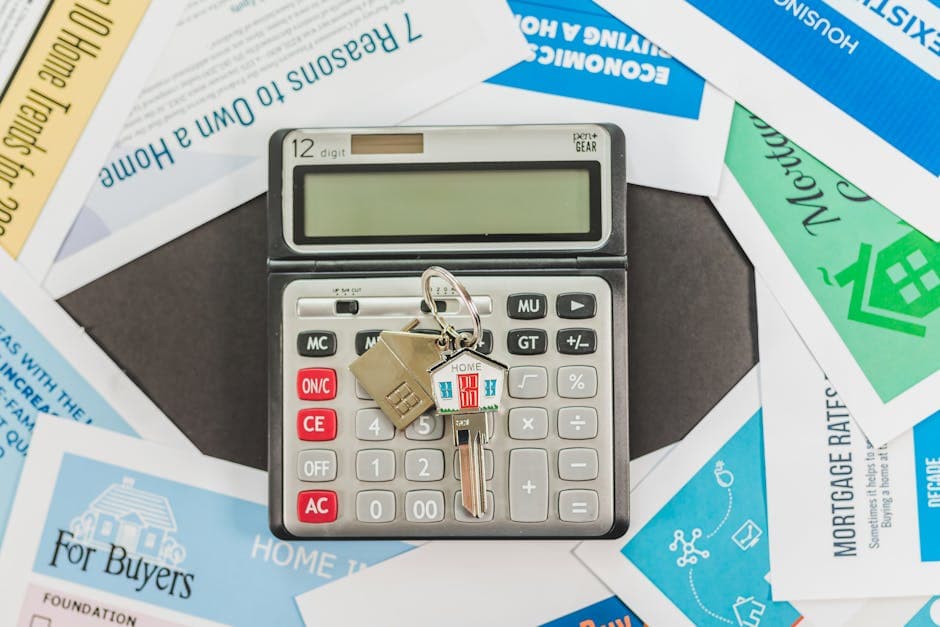
HO-A vs HO-B vs HO-3: Why Your Policy Form Matters
Not all Texas homeowners policies are created equal, and the form your carrier issued determines how much you actually receive when a claim is paid. The three forms common in Texas are HO-A (basic named-peril), HO-B (broad named-peril), and HO-3 (open-peril with replacement cost). The differences are significant.
HO-A settles claims at actual cash value (the depreciated value of the damaged property). A $18,000 repair on a 15-year-old home might settle at $6,000 after depreciation. HO-3 settles at replacement cost, meaning the carrier pays the full cost to restore the property to its pre-loss condition. The same $18,000 repair settles at $18,000. That gap is the difference between recovery and financial strain.
The smart shutoff credit applies on all three forms. But the device protection is even more critical on HO-A, where claims settle at depreciated value. Prevention is worth more when your coverage pays less. If your carrier placed you on HO-A after a previous claim or due to the home's age, the shutoff device becomes not just a credit-earner but the primary line of defense against a loss your policy will not fully cover.
For the full breakdown of how each form handles water damage, which perils are covered, and what the settlement differences mean in dollar terms, see our HO-A vs HO-B vs HO-3 insurance guide.
The Carrier Credit Math
The credit is not a guess. It is published in carrier underwriting guidelines. Here is how the math works across Texas premium ranges.
10-15%
Published credit on water-damage portion
$300-$600
Typical annual savings on a $3,000-$4,100 policy
18-24 mo
Payback period on a $999 install
On a typical Texas policy of $3,000-$4,100, the 10-15% credit on the water-damage portion yields $300-$600 per year. On a Houston premium of $6,600, which is the current average per the Rice Kinder Institute, the credit can be higher because the water-damage portion scales with the overall premium.
The credit is recurring. It applies at every renewal as long as the certificate is on file with your carrier. It is not a first-year incentive. It does not expire. At $300-$600 per year, the install (from $999) pays for itself in 18-24 months. After that, it is pure return. Over a 5-year ownership horizon, the cumulative credit on a single install reaches $1,500-$3,000. Over 10 years, $3,000-$6,000.
For the full ROI analysis including loss prevention value and resale impact, see the best $999 a Texas homeowner can spend in a hard year. For a comparison of the four devices we install and their carrier compatibility, see our device comparison page.
The Certificate: What Carriers Actually Want to See
The device alone does not earn the credit. The carrier needs documentation. Specifically, they need a certificate confirming professional installation of a carrier-recognized automatic water shutoff device, installed under a licensed plumber. Without that certificate, the device is just a plumbing fixture. With it, the device triggers a recurring credit on your policy.
HydroSense issues the installation record after the project. Plumbing work is performed through a Texas-licensed plumbing partner under Responsible Master Plumber M-43057. The record documents the device model, installation date, property address, and the license number under which the work was performed. It is formatted to match what underwriters at major Texas carriers expect. We have issued hundreds of these certificates across the Houston metro and know what each carrier's underwriting department looks for.
We issue the certificate in paper and digital form. With your permission, we send it directly to your insurance agent so it is on file before your next renewal. We also reissue the certificate annually. This matters because some carriers require an updated certificate at each renewal cycle to maintain the credit. Without the annual renewal, the credit drops off your policy. Most homeowners do not know this until they notice the credit disappeared from their renewal statement.
For Katy-specific carrier data and the most common policy forms in that zip code range, see our Katy service area page.
Timing It Before Your Renewal
The credit applies at your next renewal after the certificate is on file with your carrier. The timing matters more than most homeowners realize.
If your renewal is in October and you install in August, you start saving in October. The certificate reaches your carrier before the renewal date, the underwriter applies the credit, and your October premium reflects the discount. Two months between install and savings.
If you install in November, one month after your October renewal, you wait until the following October. That is 11 months of paying the full premium when you could have been receiving the credit. The difference between installing 8 weeks before renewal and 4 weeks after renewal is an entire year of savings. On a $400-$600 annual credit, that timing gap costs real money.
The install itself takes approximately 2 hours. The certificate is issued after final payment, typically the same day. Most homeowners can go from phone assessment to certificate in hand within 2 weeks, including scheduling and the install itself. The strategy is straightforward: schedule the install 4-6 weeks before your renewal date. That gives enough buffer for scheduling, the install, certificate issuance, and delivery to your carrier.
The cost of waiting is not just the missed credit. It is the exposure window. Every day without the device is a day where a supply line failure, a water heater rupture, or a slow leak can generate a $13,000+ claim and a 20-40% premium increase on top of the baseline increases already hitting your policy. For a detailed breakdown of what a burst pipe actually costs a Texas homeowner, see the real cost of a burst pipe in Texas.
Get ready before the freeze, not after the burst.
A smart water shutoff installed today protects an empty house at 3 a.m. in January. Waiting for the first hard-freeze warning means competing for the same install slots as everyone else who waited. Book a free assessment now and head into winter protected.
Get my free freeze-season assessmentFrequently Asked Questions
How do I find out when my policy renews?
Check your declarations page, the first page of your policy packet. The renewal date is listed at the top, usually in the header alongside your policy number and coverage dates. If you cannot locate the declarations page, call your agent directly. They can confirm the renewal date in under a minute. Most carriers also display it in your online account portal under policy details.
Will my carrier really give me the discount?
Published discount tiers exist at State Farm, USAA, Allstate, Farmers, Travelers, Liberty Mutual, Nationwide, Progressive, Texas Farm Bureau, and Chubb. These are not discretionary agent decisions. They are underwriting guidelines that apply when the documentation is on file. The HydroSense certificate is formatted to match what these carriers require, device model, installation date, property address, and the Texas Master Plumber license number under which the work was performed. The credit applies at your next renewal after the certificate reaches your carrier.
Does the discount apply to renters insurance?
Generally no. The credit applies to homeowners policies (HO-A, HO-B, HO-3) because the policyholder owns the structure and the device protects the structure from water damage. Renters insurance covers personal contents only. The structural water mitigation credit does not apply to a contents-only policy. If you are a landlord, the credit applies to your landlord dwelling policy, not to your tenant's renters policy.
What if my carrier is not on your list?
We issue a standard certificate documenting the installation and responsible plumbing license details. Plumbing work is performed through a Texas-licensed plumbing partner under Responsible Master Plumber M-43057. The certificate format follows the documentation standards that underwriters across the industry expect. Most carriers recognize it. We have not encountered a Texas carrier that does not offer some form of water mitigation credit when presented with a professional installation certificate from a licensed plumber. If your carrier is unfamiliar to us, we will call their underwriting department directly to confirm the credit structure before your install.
Get ready before the freeze, not after the burst.
A smart water shutoff installed today protects an empty house at 3 a.m. in January. Waiting for the first hard-freeze warning means competing for the same install slots as everyone else who waited. Book a free assessment now and head into winter protected.
Get my free freeze-season assessmentRelated reading
Blog
The best $999 a Texas homeowner can spend in a hard year
Full ROI analysis across insurance credit, loss prevention, and resale value.
Blog
The real cost of a burst pipe in Texas
Repair costs, insurance implications, and the premium increase that follows.
Guide
HO-A vs HO-B vs HO-3 in Texas
Policy forms compared: coverage differences, settlement methods, and what each means for water damage.
Devices
Smart water shutoff device comparison
Four carrier-recognized devices compared by features, pipe size, and price.
Service area
Katy smart water shutoff installation
Carrier data, average premiums, and install details for Katy and west Houston.