

Every Houston homeowner preparing for a freeze should complete these steps: disconnect and drain all garden hoses, insulate exposed pipes in the attic, garage, and exterior walls with foam sleeves, open cabinet doors under sinks on exterior walls, set faucets to drip at a pencil-lead stream on both hot and cold lines, set the thermostat to 55F minimum and disable night setback, and confirm that your main water shutoff valve turns by hand before you need it in an emergency. After the thaw, walk every visible pipe, read your water meter twice over two hours with no usage, and re-inspect at three days and seven days for hairline cracks that take time to fail. A smart water shutoff valve automates the one thing no checklist can provide: overnight monitoring and an 8-second response at 3 a.m. when no one is awake to notice a pressure drop.
Why Texas Freezes Catch Homeowners Off Guard
Houston housing stock was not built for sustained cold. Homes constructed between 1970 and 2010, which account for the majority of the residential inventory in Harris County, were designed to shed heat and humidity. The engineering priorities were roof ventilation, air conditioning efficiency, and moisture management in a subtropical climate. Freeze protection was an afterthought when it was considered at all.
The result is a structural vulnerability that only becomes visible when temperatures drop below 28F for more than a few hours. Supply lines run through attics with minimal insulation, sometimes resting directly on drywall with nothing between the pipe and the outdoor temperature except a layer of plywood and shingles. Pipes route through exterior walls on the north side of the house where wind chill is harshest. Water heaters and washing machine connections sit in uninsulated garages where a closed garage door is the only barrier between the plumbing and freezing air.
The assumption that drives the vulnerability is simple and widely shared: it does not freeze here. Houston averages 5 to 15 nights below 32F per year, concentrated between December and February. In a mild year, those nights barely dip below freezing and last only a few hours. In a severe year, the sustained cold overwhelms the limited freeze protection built into the housing stock.
Winter Storm Uri in February 2021 was the definitive proof. The Texas Department of Insurance reported $10B+ in insurance losses across the state, with water damage from burst pipes representing the single largest category. Uri was extraordinary in its duration, four consecutive days below freezing in Houston, but the damage pattern it exposed applies to any sustained freeze event. The pipes that failed were not defective. They were installed exactly to code in homes that were never designed to handle 72 hours of sub-freezing temperatures.
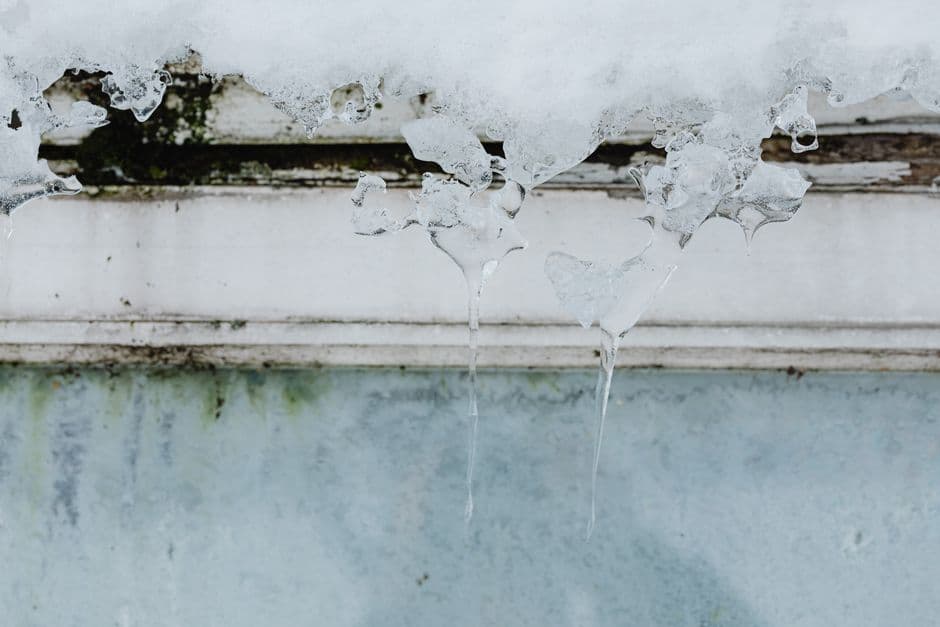
The detail that surprises most homeowners: the worst damage does not happen during the freeze. It happens 2 to 7 days after the thaw. Ice expands inside a pipe and creates hairline cracks at joints, fittings, and bends. While the pipe is frozen, the ice itself acts as a plug. No water flows. No visible leak. The homeowner assumes they made it through. Then temperatures rise, the ice melts, water pressure returns to full, and those hairline cracks open. The leak starts behind a wall or in an attic where no one sees it. By the time a stain appears on the ceiling or the water bill spikes, the damage has been accumulating for days.
Uri's worst insurance claims came not during the storm itself but in the two weeks that followed, as thaw-related failures cascaded through homes that appeared to have survived intact.
72 Hours Before a Freeze
When the National Weather Service issues a freeze warning for the Houston metro, you have roughly 72 hours to prepare. This is a specific, actionable checklist. Work through it in order.
Exterior preparation
Disconnect every garden hose from every outdoor faucet. A connected hose traps water in the hose bibb, and when that water freezes it can crack the bibb or the supply pipe behind it inside the wall. Drain each hose completely and store it in the garage. After disconnecting, install an insulated hose bibb cover over each outdoor faucet. These foam covers cost $3 to $8 at any hardware store and reduce heat loss at the most exposed point of your plumbing system.
Walk the exterior of the house and identify any gaps or cracks around pipe penetrations, particularly where supply lines, gas lines, or electrical conduit pass through the exterior wall. Seal gaps with expanding foam or caulk. Cold air that reaches the pipe through a half-inch gap is enough to cause a freeze in a pipe that would otherwise survive.
Pipe insulation
Insulate every exposed pipe in the garage, attic, and crawl space with foam pipe sleeves. Focus first on supply lines that run through unheated spaces: the cold water line in the attic, the hot water supply from the water heater in the garage, and any pipes visible in an unfinished crawl space. Pre-slit foam sleeves slide directly over the pipe and can be secured with duct tape or zip ties at each joint. This is a 30-minute project that meaningfully reduces your risk.
Interior preparation
Open cabinet doors under every sink that sits against an exterior wall. This allows heated air from the room to circulate around the pipes behind the cabinet. The temperature difference between a closed cabinet on an exterior wall and the heated room can be 15 to 20 degrees, enough to make the difference between a frozen pipe and one that survives.
Set your thermostat to 55F minimum and disable any programmed night setback. During a freeze event, you do not want the system dropping to 62F at midnight while pipes in the attic are exposed to 18F air. Keep the temperature constant, day and night, for the duration of the freeze.
Irrigation and pool systems
Drain your irrigation system and backflow preventer. Most residential irrigation in Houston uses a reduced pressure backflow assembly mounted above ground. Drain it by opening the test cocks and the downstream shut-off. If you have a pool, lower the water level below the skimmer and run the pump continuously during the freeze. Moving water resists freezing, and a cracked pool pump housing is a $1,200 to $2,500 repair.
Shutoff valve and emergency contacts
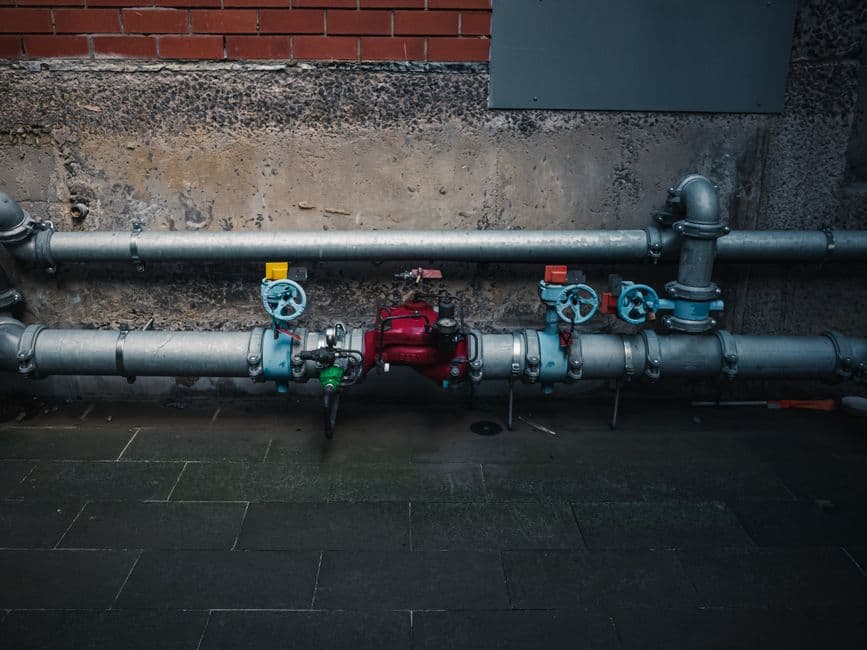
Locate your main water shutoff valve and confirm it turns by hand. Most Houston homes have the main shutoff near the meter at the street or where the main line enters the house. If the valve is corroded, stiff, or you cannot find it, this is the time to call a plumber, not during the freeze when every plumber in Harris County is booked out 48 hours. Charge your phone, save your plumber's number, and save the HydroSense emergency line: (281) 694-5754.
During the Freeze
Once temperatures drop below freezing, your preparation is done. The goal during the freeze is to maintain conditions and monitor for early signs of trouble.
Let faucets drip at a pencil-lead stream. Run both hot and cold from the faucet farthest from the main water entry point. This is typically a bathroom at the far end of the house. Moving water freezes at a lower temperature than standing water. The drip does not need to be heavy. A thin, steady stream, about the diameter of a pencil lead, is sufficient to keep water moving through the longest run of pipe in your house.
Keep garage doors closed if any water lines run through the garage. This includes the supply to the water heater, the washing machine hookup, and any utility sink. An open garage door drops the temperature inside the garage to within a few degrees of outdoor conditions, which eliminates whatever marginal protection the enclosed space provides.
Maintain 55F minimum inside the house at all times. If you lose power, close interior doors to concentrate heat in the rooms with plumbing. Open cabinets on exterior walls even wider. If the outage extends beyond 6 hours and the interior temperature drops below 45F, consider shutting off the main water supply and draining the lines as a precaution.
Monitor for pressure drops. If a faucet that was dripping steadily slows to an intermittent drip or stops entirely, ice is forming in the line. Do not attempt to thaw the pipe with an open flame, a propane torch, or a heat gun. House fires during freeze events are alarmingly common and almost always caused by homeowners using open flame on frozen pipes. Use a hair dryer on low heat directed at the suspected freeze point, or wrap the area with towels soaked in warm water.
If you are traveling during a freeze, have someone check the property daily. Not a drive-by. A walk through the house checking every faucet, looking under every sink, and confirming that the thermostat is maintaining temperature. A single missed day during a sustained freeze can mean the difference between catching a drip and discovering a flooded first floor.
Get ready before the freeze, not after the burst.
A smart water shutoff installed today protects an empty house at 3 a.m. in January. Waiting for the first hard-freeze warning means competing for the same install slots as everyone else who waited. Book a free assessment now and head into winter protected.
Get my free freeze-season assessmentAfter the Thaw: The Hidden Danger
This is the section most freeze checklists leave out, and it is the section that matters most. The majority of freeze-related water damage in Houston does not happen while the pipes are frozen. It happens after temperatures rise and water pressure returns to lines with hairline cracks that are invisible to the eye.
Immediate post-thaw inspection (Day 1)
Walk every visible pipe in the house. Start in the attic if your supply lines run through it. Check under every sink. Inspect behind the water heater. Look at the washing machine connections. Examine the ice maker line behind the refrigerator. Check every toilet supply line. You are looking for moisture, drips, discoloration on pipe fittings, and any new sound of running water when all fixtures are off.
Perform a water meter test. Read your water meter, record the number, then ensure no water is used anywhere in the house for two hours. No faucets, no toilets, no ice maker, no irrigation. After two hours, read the meter again. Any movement at all indicates a leak somewhere in the system. This test catches leaks that are invisible to the eye, including those inside walls, under slabs, and in the attic above the insulation line.
Inspect walls and ceilings throughout the house for new stains, soft spots, bubbling paint, or warped baseboards. Pay particular attention to ceilings below attic supply lines and walls on the north side of the house where freeze exposure was greatest.
Follow-up inspections (Day 3 and Day 7)
Re-inspect at three days and again at seven days after the thaw. Hairline cracks created by ice expansion do not always fail immediately. Some hold for days under normal water pressure before the crack propagates enough to produce a visible leak. A fitting that looked fine on Day 1 can be actively leaking behind a wall on Day 5. The 3-day and 7-day inspections are not optional. They are the inspections that catch the failures responsible for the largest claims.
Repeat the water meter test at each follow-up inspection. If the meter shows zero movement at Day 1 but any movement at Day 3 or Day 7, a hairline crack has opened. Call a plumber immediately and close the main shutoff valve until the leak is located and repaired.
Documentation for insurance
If you discover damage at any point during the post-thaw inspection window, document it with photos and video before you begin any cleanup or mitigation. Photograph the source of the leak, the affected area, the water meter reading, and any damaged personal property. Your insurance carrier will require this documentation to process the claim. Carriers that handled Uri claims reported that homeowners who documented damage before cleanup received settlements an average of 40% higher than those who cleaned up first and documented after.
Uri's worst claims came days and weeks after the thaw. Homeowners who thought they had survived discovered slow leaks behind walls, in attics, and under cabinets that had been running undetected since the ice melted. The post-thaw inspection protocol described here exists specifically to catch those failures early, before the damage compounds from a small repair into a full remediation.
The One Thing a Checklist Cannot Do at 3 a.m.
Every item on this checklist assumes you are home, awake, and paying attention. The dripping faucet requires someone to set it. The meter test requires someone to walk outside and read it. The post-thaw inspection requires someone to climb into the attic with a flashlight.
A pipe does not consult the checklist before it fails. It fails at 3 a.m. on a Tuesday in January while you are asleep. It fails during the workday while the house is empty. It fails on the second night of the freeze when you assumed the worst was over. The checklist is on the refrigerator. The water is on the floor.
A smart water shutoff valve does the one thing this checklist cannot: it monitors flow and pressure 24 hours a day, 7 days a week, without sleeping, without forgetting, and without assuming the worst is over. When it detects a flow pattern consistent with a burst, a sustained pressure drop, or abnormal usage during hours when the home should be idle, it closes the main water line within 8 seconds. No human intervention. No phone call. No waking up to the sound of water running through the ceiling.
The financial difference is stark. The average unmitigated burst pipe claim in Texas runs approximately $35,000: remediation, structural drying, drywall replacement, flooring, and personal property. With a smart shutoff that closes the line within seconds, the average mitigated claim drops to approximately $280, typically just the cost of repairing the pipe fitting itself. The variable is not the pipe. It is the volume of water that escapes before the line is closed. For the full data on freeze damage claims and mitigation outcomes, see our freeze damage guide for Texas homeowners.
How a Smart Shutoff Automates the Riskiest Items
Look at this checklist again and identify the items that fail most often in practice. It is not the hose disconnection or the cabinet doors. Those are simple, one-time actions that most prepared homeowners complete. The items that fail are the ones that require sustained attention over time: the overnight monitoring, the post-thaw inspections at Day 3 and Day 7, and the 3 a.m. response when a fitting finally gives way.
These are precisely the items that a carrier-recognized smart water shutoff device handles automatically. Devices like Moen Flo, Phyn, and StreamLabs monitor flow, pressure, and temperature continuously. They learn the normal patterns of your household and flag deviations. They do not need to be reminded to check the attic on Day 7. They do not sleep through the pressure drop at 3 a.m. They close the valve within 8 seconds and send an alert to your phone whether you are in bed, at work, or comparing smart vs. manual shutoff options.
Plumbing work is performed through a Texas-licensed plumbing partner under Responsible Master Plumber M-43057. The device goes on the main water line where it enters the home, typically taking about two hours for a complete install, configuration, and app walkthrough. After installation, HydroSense issues a carrier-recognized insurance certificate in paper and digital form.
That certificate earns a 10-15% carrier credit on the water damage portion of your homeowners premium. On a typical Houston annual home insurance premium of approximately $6,600 (per Rice Kinder Institute, 2025), that translates to roughly $300-$600 per year in savings. Texas premiums have risen approximately 46% over the past two years (Policygenius), and any documented mitigation that reduces your premium is worth pursuing. The credit applies every year the device is installed and the certificate is on file with your carrier. See the full Houston service area page for local carrier data, ZIP codes served, and install scheduling.
Install starts from $999. Monitoring runs $9-$39/mo depending on the device and plan. The insurance credit alone typically pays back the install cost within 18 to 24 months, before accounting for the avoided loss exposure of a single unmitigated burst.
Your Interactive Freeze Checklist
Texas Freeze Survival Checklist
0 of 23 complete
72 Hours Before a Freeze0/10
During the Freeze0/6
After the Thaw0/7
hydrosensetx.com
Plumbing execution under RMP M-43057 | (281) 694-5754
Email me the printable PDF
Frequently asked questions
When should I start freeze prep in Houston?
Monitor NWS forecasts beginning in late November. When a freeze warning appears in the 72-hour outlook, begin your exterior prep immediately: disconnect hoses, install bibb covers, and insulate exposed pipes. Most years Houston sees 5-15 nights below 32F between December and February. The 72-hour window gives you time to work through the full checklist without rushing. If you have not insulated attic lines or confirmed your shutoff valve before the season starts, schedule that work in November while plumbers are still available on normal lead times.
Will dripping faucets really prevent frozen pipes?
Dripping faucets keep water moving through the line, which reduces the freeze point compared to standing water. Run both hot and cold at a pencil-lead stream from the faucet farthest from the main entry. This significantly reduces freeze risk for pipes routed inside walls and under floors. However, it does not eliminate the risk for uninsulated lines in the attic where ambient temperatures can drop well below 20F during a sustained freeze. Attic lines require physical insulation. Dripping is one layer of protection, not a complete solution.
What if I already had a pipe freeze but it didn't burst?
A pipe that froze and thawed without an obvious burst may still have hairline cracks at joints and fittings. The expansion from ice weakens copper, CPVC, and PEX connections even when it does not produce an immediate break. Those weakened points can hold for days or weeks under normal water pressure before failing. Have a licensed plumber inspect the affected lines, particularly any runs through the attic or exterior walls. A smart water shutoff catches the eventual failure automatically when the hairline crack finally opens under pressure, closing the main within 8 seconds regardless of whether anyone is home.
How much does freeze damage actually cost?
The average unmitigated burst pipe claim in Texas is approximately $35,000, covering emergency water extraction, structural drying, drywall replacement, flooring, baseboards, paint, and damaged personal property. With a smart shutoff that closes the main within 8 seconds of detecting the anomaly, the average mitigated claim drops to approximately $280, typically just the pipe repair itself. The difference is the volume of water that escapes before the line is closed: hours of undetected flow versus 8 seconds. For the full breakdown of claim data and remediation costs, see our detailed cost analysis of burst pipe claims in Texas.
Get ready before the freeze, not after the burst.
A smart water shutoff installed today protects an empty house at 3 a.m. in January. Waiting for the first hard-freeze warning means competing for the same install slots as everyone else who waited. Book a free assessment now and head into winter protected.
Get my free freeze-season assessmentRelated reading
Blog
Frozen pipes while traveling
What to do when a freeze hits and you are not home to respond.
Blog
The real cost of a burst pipe
Full breakdown of remediation costs, insurance claim data, and mitigation outcomes.
Blog
Smart vs manual shutoff
Side-by-side comparison of automated and manual shutoff options for freeze protection.
Guide
Freeze damage claims in Texas
Claim data, carrier responses, and the mitigation gap that drives Texas premiums.
Service area
Houston
Local carrier data, ZIP codes served, and install scheduling for the Houston metro.